Dinner
Handmade Ramen Recipe (Fresh Noodles and Shoyu Broth From Scratch)
By Trevor Farias · Updated · About 6 hours total · 4 large bowls
Loading ratings…
In a nutshell
Handmade ramen starts with alkaline noodles: bread flour mixed with a little water, salt and baked baking soda (a home substitute for kansui), kneaded into a very stiff dough, rested, rolled thin and cut into strands. Serve them in a shoyu broth made by simmering chicken and pork bones with ginger, garlic, scallions and kombu for about 4 hours, then season each bowl with a tare of soy sauce, mirin and sake. Top with sliced pork, a soft marinated egg, scallions and nori.
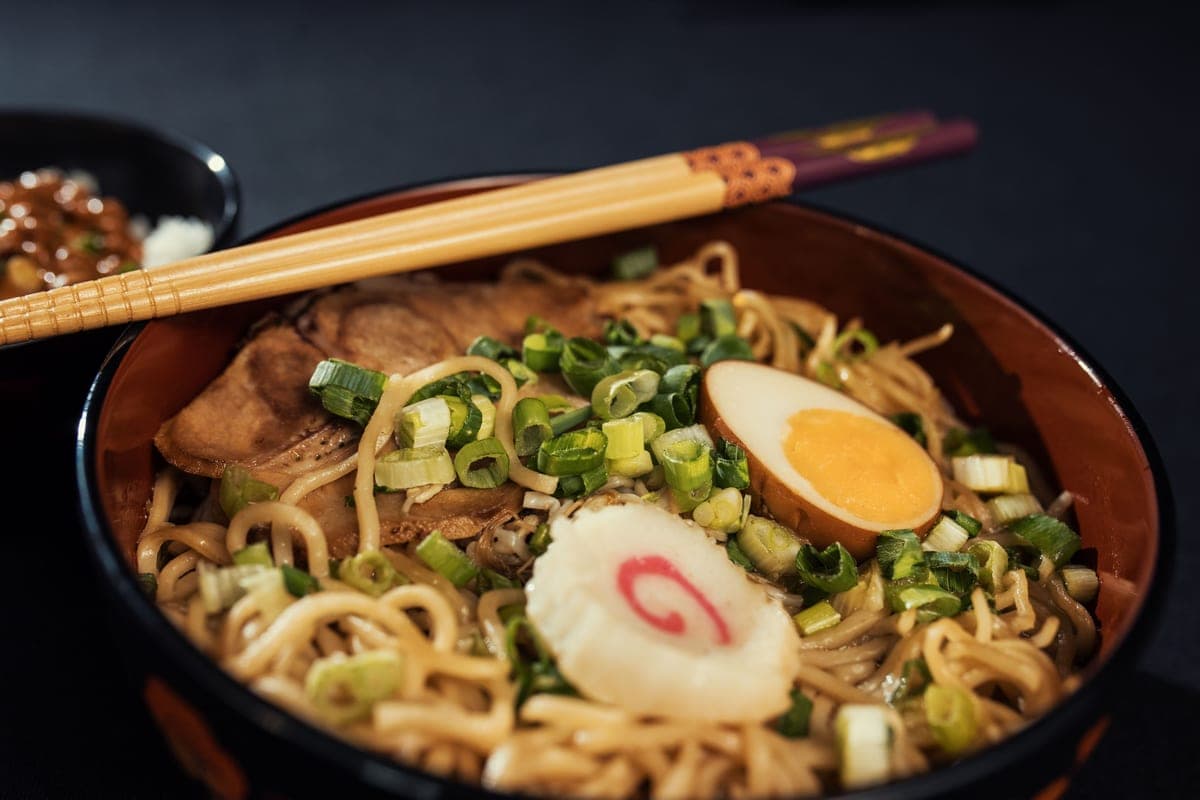
A bowl of ramen made entirely by hand is a weekend project, but it is not difficult, and the result is something you cannot buy in a packet: springy, chewy noodles with real bite, a clear, savory broth that has simmered all afternoon, and a soft egg with a jammy, soy-marinated yolk.
What makes ramen noodles different from Italian pasta is alkalinity. Ramen shops use kansui, an alkaline mineral water that gives noodles their yellow color, firm chew and distinctive flavor. At home, baking ordinary baking soda turns it into sodium carbonate, which does the same job.
Break the work into pieces. Make the eggs and broth the day before; on ramen night, make the noodle dough, let it rest while you prep toppings, then roll, cut and cook. Each bowl is seasoned individually with a spoonful of tare, the concentrated soy seasoning that is the heart of shoyu ramen.
Why this recipe works
- Baked baking soda makes the dough alkaline, which gives the noodles their springy chew, yellow tint and resistance to going soft in hot broth.
- A very stiff, low-water dough is what ramen noodles need; resting it lets the flour hydrate so it can be rolled.
- Blanching the bones first removes impurities, and a gentle simmer instead of a boil keeps the broth clear and clean-tasting.
- Keeping the tare separate and seasoning each bowl lets you control the saltiness exactly.
Making ramen noodles at home
Ramen dough is much drier than pasta dough, about 35% water by weight. It will look like crumbly sand at first. Squeeze and knead it into a rough mass, wrap it and let it rest; the flour absorbs the water and it becomes workable. A pasta machine makes rolling and cutting far easier, but a rolling pin and sharp knife work.
To make baked baking soda, spread 1/4 cup of baking soda on a foil-lined pan and bake at 250°F for 1 hour. Store it in a labeled jar. It is more caustic than regular baking soda, so avoid touching it with bare hands and do not taste it on its own.
Ramen toppings
- Chashu pork: rolled pork belly braised in soy, mirin and sugar, or thin slices of roast pork.
- Ajitama: soft-boiled eggs marinated in soy and mirin.
- Narutomaki: the white fish cake with a pink swirl, sliced thin.
- Sliced scallions, nori sheets, bamboo shoots (menma), bean sprouts and sweet corn.
- A drizzle of chili oil or toasted sesame oil.
Short on time?
Replace the bone broth with 10 cups of good low-sodium chicken stock simmered for 30 minutes with the ginger, garlic, scallions, kombu and a handful of dried shiitake mushrooms. Or buy fresh ramen noodles and focus on the broth. Either shortcut still makes a far better bowl than instant ramen.
How to store ramen
- Broth keeps 5 days in the refrigerator or 3 months frozen. Tare keeps 1 month refrigerated.
- Fresh uncooked noodles, dusted with cornstarch, keep 2 days refrigerated in an airtight bag, or freeze for 1 month and cook from frozen.
- Marinated eggs are best within 3 days.
Variations to try
- Miso ramen: replace the shoyu tare with 3 tablespoons white miso mixed with 1 tablespoon soy sauce per bowl.
- Spicy ramen: add a spoonful of chili oil or doubanjiang to each bowl.
- Chicken ramen: use 3 pounds of chicken bones and skip the pork.
Frequently asked questions
- What makes ramen noodles different from pasta?
- Ramen noodles are made with an alkaline agent such as kansui or baked baking soda, which gives them a springy, firm texture and yellow color. Italian pasta uses plain flour or eggs.
- Can I use regular baking soda for ramen noodles?
- It works, but the effect is weaker. Baking it at 250°F for an hour turns it into sodium carbonate, which gives noodles a much better chew and color.
- Why is my ramen broth cloudy?
- It boiled too hard, or the bones were not blanched first. Cloudy broth tastes fine; ramen shops make creamy tonkotsu broth by boiling on purpose. For clear shoyu broth, keep it at a gentle simmer.
- How do I get jammy ramen eggs?
- Lower cold eggs into boiling water, cook exactly 6 1/2 minutes, chill in ice water, peel and marinate in soy sauce and mirin for at least 4 hours.
Recipe card
Handmade Ramen Recipe (Fresh Noodles and Shoyu Broth From Scratch)
Handmade shoyu ramen from scratch: springy fresh ramen noodles made with baked baking soda, a savory chicken and pork broth, soy tare, jammy marinated eggs and scallions. A weekend project with make-ahead steps.
By Trevor Farias · Updated
- Prep
- 1 hour active
- Cook
- 4 1/2 hours
- Total
- About 6 hours
- Makes
- 4 large bowls
Plus 4 to 12 hours to marinate the eggs; broth and eggs can be made a day ahead
Ingredients
For the marinated eggs
For the broth
For the shoyu tare
For the noodles
For serving
Equipment
- Large stockpot (at least 8 quarts)
- Fine-mesh sieve
- Pasta machine with spaghetti cutter (recommended)
- Large pot for boiling noodles
- Deep soup bowls
Instructions
Make the marinated eggs
Lower the cold eggs into boiling water and cook for exactly 6 1/2 minutes, then move to ice water for 5 minutes and peel. Combine the soy sauce, mirin and water in a zip-top bag or small container, add the eggs and refrigerate for 4 to 12 hours.
Blanch the bones
Put the chicken and pork bones in a large stockpot, cover with cold water and bring to a boil. Boil for 5 minutes, then drain and rinse the bones and the pot to remove the scum.
Simmer the broth
Return the bones to the pot with the 14 cups of water, ginger, garlic, scallion greens and onion. Bring to a boil, then reduce to a bare simmer. Cook uncovered for 4 hours, skimming occasionally. Add the kombu and shiitake for the last 30 minutes.
Tip: Keep the broth at a lazy simmer with just a few bubbles. A rolling boil makes it cloudy.
Strain
Strain the broth through a fine sieve. You should have about 8 cups; add water if you have less. Season lightly with salt; most of the seasoning comes from the tare.
Make the tare
Simmer the soy sauce, mirin, sake and sugar in a small saucepan for 2 minutes. Set aside.
Make the noodle dough
Dissolve the baked baking soda and salt in the warm water. Put the flour in a bowl and add the water gradually, mixing with your fingers until it looks like damp crumbs. Press and knead into a ball; it will be very stiff. Wrap and rest 30 minutes, then knead for 5 minutes until smoother, and rest 30 minutes more.
Roll and cut the noodles
Divide the dough into 4 pieces. Flatten one and pass it through a pasta machine on the widest setting, fold and repeat several times, then roll it thinner to about 1/16 inch (setting 5 or 6). Cut with the thin spaghetti cutter or a sharp knife. Toss with cornstarch and loosely coil into nests.
Assemble the bowls
Bring the broth to a simmer and warm the pork in it. Put 2 tablespoons of tare in each serving bowl. Boil the noodles in a large pot of unsalted water for 60 to 90 seconds, stirring, until chewy-tender. Pour 2 cups hot broth into each bowl, stir, add the drained noodles, then top with pork, a halved egg, fish cake, scallions and nori. Serve immediately.
Notes
- Bake the baking soda at 250°F for an hour before using it in the noodles.
- Simmer the broth gently for a clear, clean-tasting soup.
- Cook fresh noodles for only 60 to 90 seconds and serve at once.
Nutrition (per serving, estimated)
| Calories | 760 |
|---|---|
| Fat | 22 g |
| Saturated fat | 7 g |
| Carbohydrates | 86 g |
| Fiber | 4 g |
| Sugar | 8 g |
| Protein | 49 g |
| Sodium | 3100 mg |
| Cholesterol | 250 mg |
Serving size: 1 of 4. Nutrition is calculated from standard ingredient data and will vary with brands and substitutions.
Recipe from Trevor's Kitchen · https://trevorfarias.com/recipes/homemade-ramen
More recipes you might like
Dinner
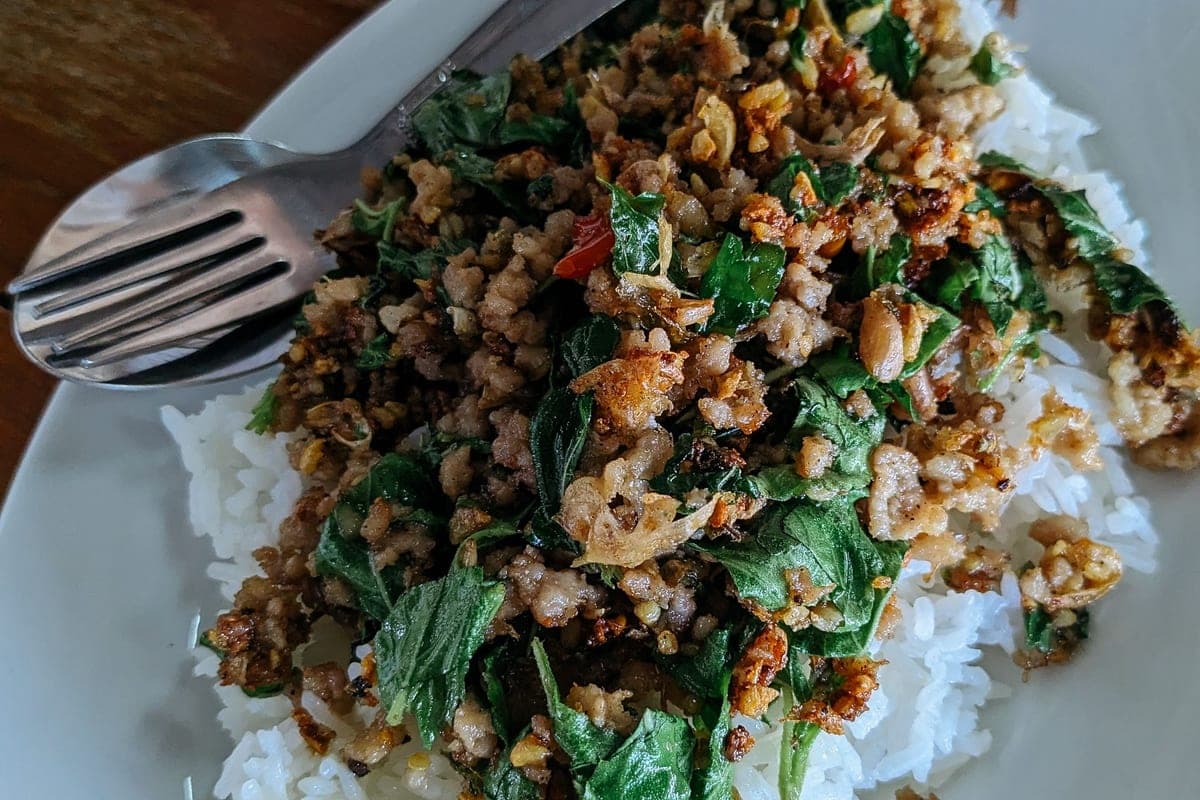
Easy Meat and Rice Recipe (Thai Basil Ground Pork, 20 Minutes)
An easy meat and rice dinner: savory Thai basil ground pork (pad kra pao) stir-fried with garlic, chilies and a quick soy-oyster sauce, served over jasmine rice with a crispy fried egg.
- Total:
- 20 minutes
- Makes:
- 4 servings
Sides
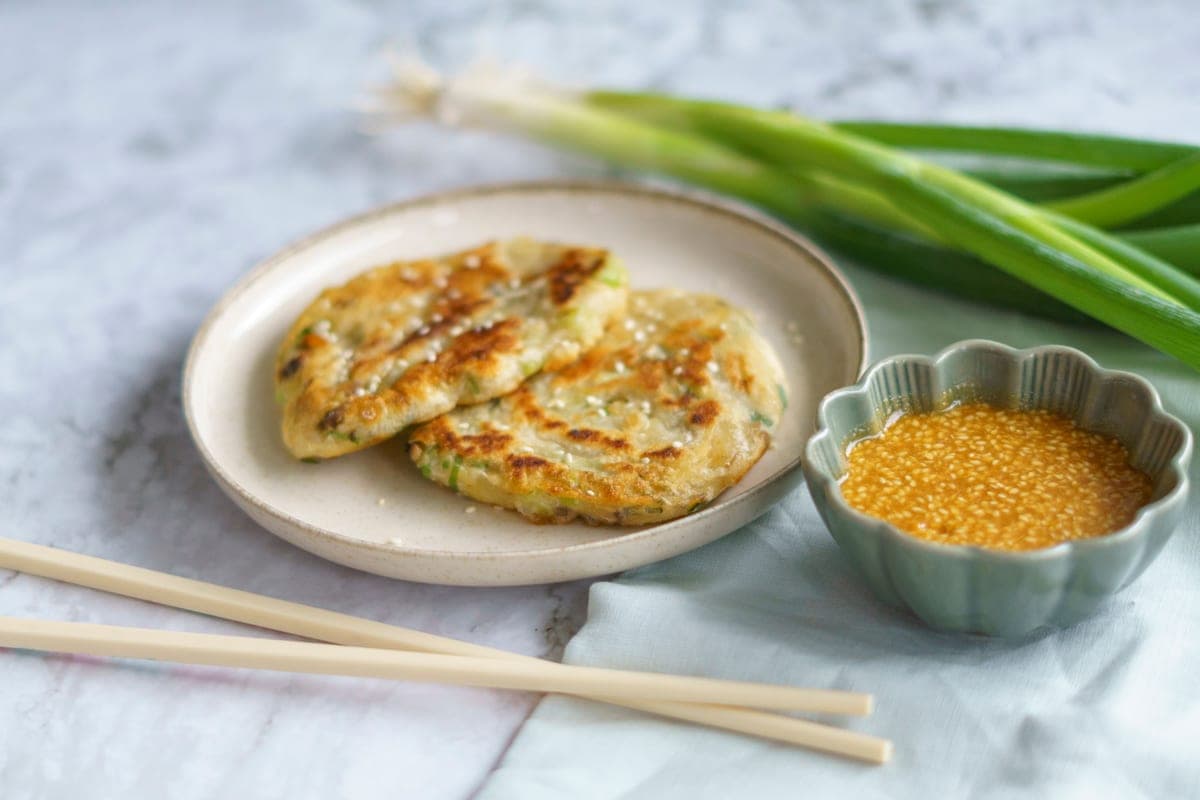
Crispy Scallion Pancakes Recipe (Flaky Chinese Cong You Bing)
The best scallion pancake recipe: crispy, flaky Chinese green onion pancakes (cong you bing) from a simple flour-and-water dough, coiled with scallion oil and pan-fried.
- Total:
- 1 hour 20 minutes
- Makes:
- 6 pancakes (about 7 inches each)
Dinner
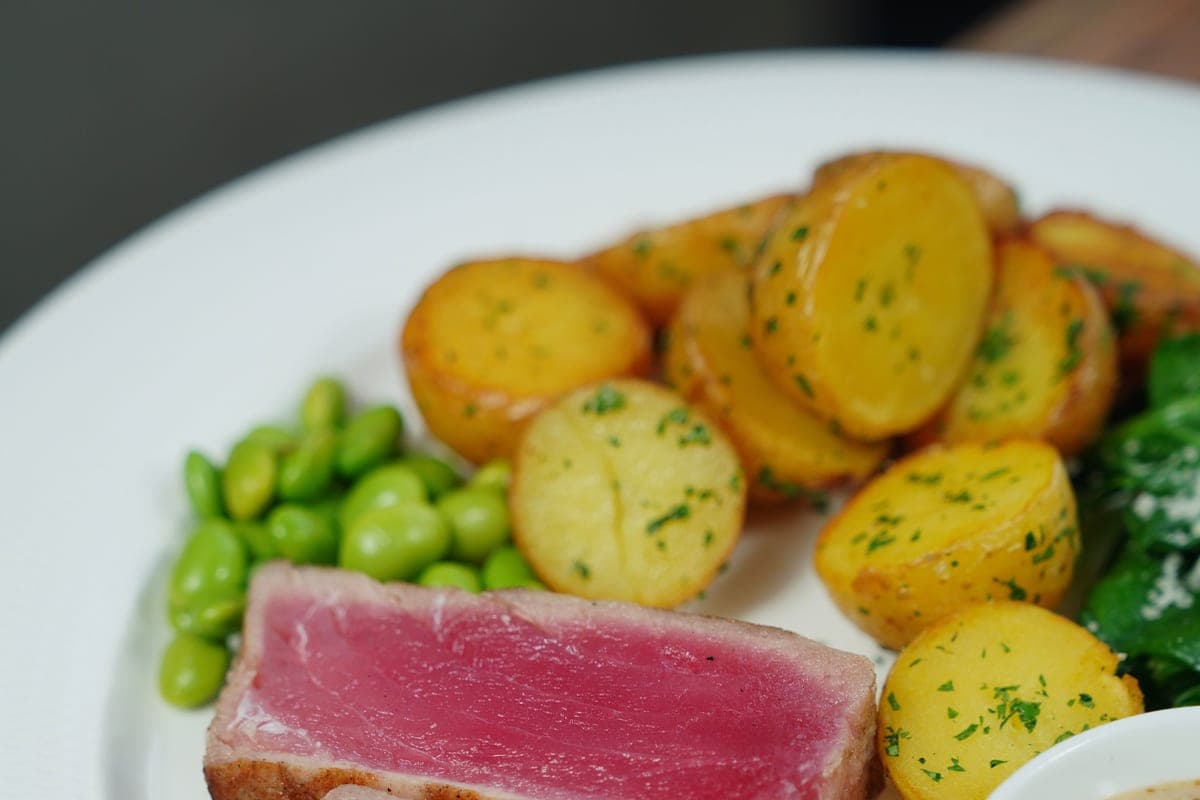
Seared Ahi Tuna Recipe (Sesame-Crusted, Rare in 10 Minutes)
The best seared ahi tuna recipe: sushi-grade tuna steaks with a sesame-soy marinade, seared 1 minute per side for a rosy rare center.
- Total:
- 25 minutes
- Makes:
- 2 tuna steaks (serves 2 to 3)